
Back‑To‑School Safety Tips for Families
Ryan Erickson
Sep 09 2026 17:00
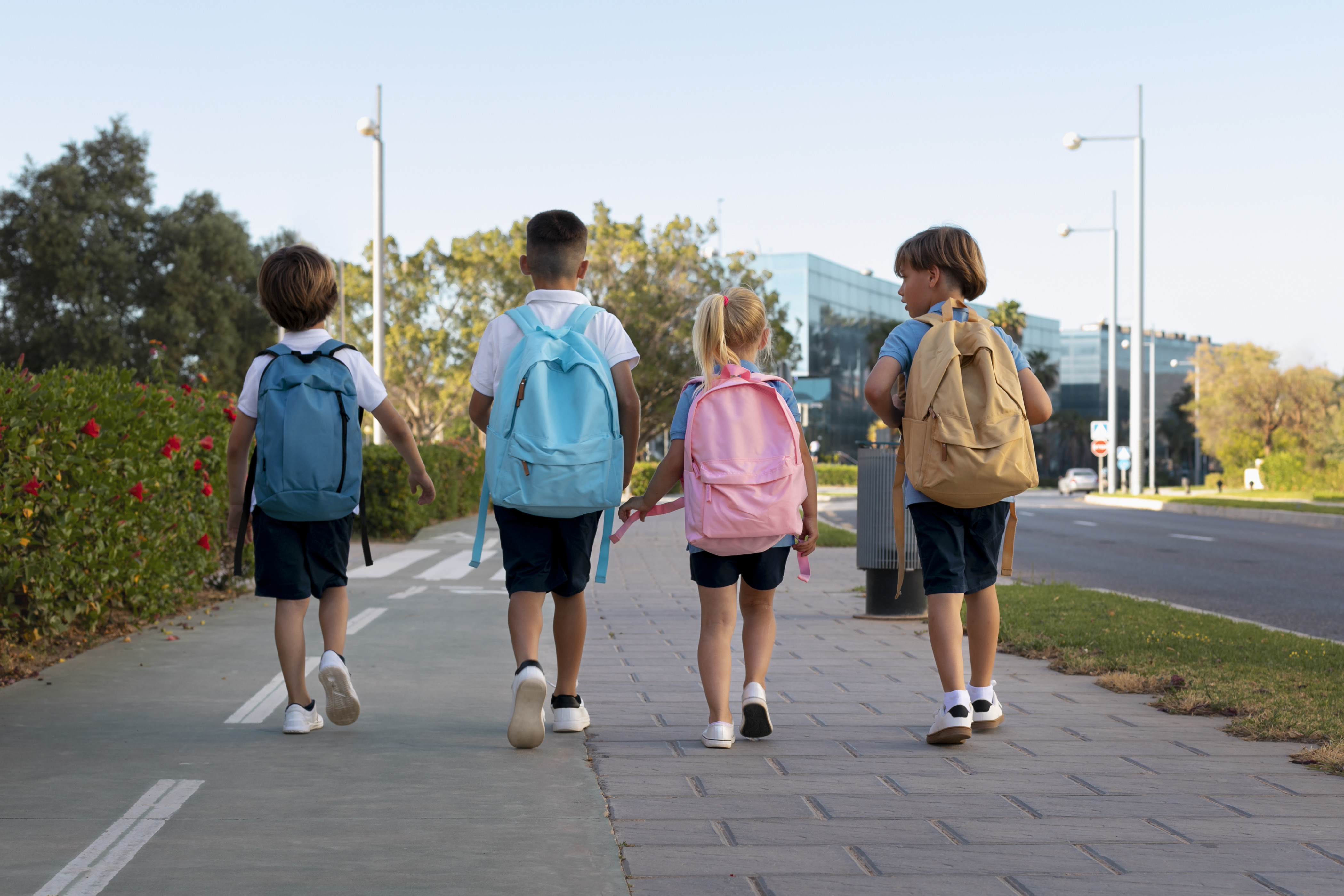
As a new academic year approaches, families begin shifting from summer routines to school schedules, making it the perfect moment to revisit essential safety habits. Reviewing these basics now helps ensure children feel secure and prepared throughout their day, whether they are heading to school, attending class, or returning home.
Back‑to‑school safety involves far more than what happens on campus. From morning travel to afternoon activities, several parts of a child’s day benefit from thoughtful planning and clear expectations. Prioritizing safety early in the year can help set the tone for healthy habits that last well beyond the first few weeks.
Below are key reminders that can support children and families as a new school year gets underway.
Safe Habits Before the School Day Starts
The trip to school is one of the most important parts of a student’s daily routine, and reviewing safety guidelines can make that journey smoother and more secure. Whether children walk, ride their bikes, take the bus, or are driven by a parent, understanding what to expect helps minimize risk.
For students who walk, sticking to sidewalks whenever available is a smart first step. They should only cross at clearly marked intersections or crosswalks, and looking both ways before entering the street remains essential. Making eye contact with drivers can offer added reassurance that they have been seen. Many families also find it helpful to encourage siblings or friends to walk together, using a buddy system that keeps children alert and less vulnerable.
Bicyclists have their own set of safety considerations. A well‑fitted helmet should always be worn, and children should ride on the right side of the road, moving with traffic rather than against it. They should come to a complete stop before crossing any street and choose routes that avoid heavy traffic when possible. Selecting quieter paths can contribute to a calmer, safer ride to school.
Families who rely on the school bus may want to review expectations before the first day. Children waiting at the bus stop should remain several feet back from the curb and never approach the bus until it has come to a full stop. They should avoid crossing in front of or behind the bus unless they can see that the driver is aware of their movements. These habits can help reduce the risk of accidents during busy pick‑up times.
Parents who drive their children to school also play a role in creating safe surroundings. Following school‑designated drop‑off procedures, slowing down in school zones, and refraining from passing buses while students are loading or unloading are daily actions that support a safer environment.
Older students who drive themselves may benefit from extra reminders as they return to school traffic. Going over expectations around seatbelt use, observing posted speed limits, limiting passengers, and keeping phones put away can reinforce responsible decision‑making behind the wheel.
Building Safe and Healthy School‑Day Routines
Once children arrive at school, daily habits continue to play an important role in their safety and well‑being. Clear direction at home helps students feel more confident and prepared throughout the day.
Emergency readiness is one of the most valuable skills students can learn. Children should know their full name, home address, and a parent or guardian’s phone number. Some families choose to keep a laminated safety card in a backpack that lists emergency contacts and relevant medical information. Having these details easily accessible can provide peace of mind if a child ever needs assistance away from home.
Maintaining healthy routines is equally important during the school year. Because classrooms and cafeterias bring students into close contact, teaching proper handwashing and reminding children not to share food or drinks can help reduce germ transmission.
Backpack comfort and safety are also easy to overlook. Heavy loads can cause long‑term strain, so it is recommended that a backpack weigh no more than about 15% of the child’s total body weight. Encouraging students to use both shoulder straps helps distribute weight evenly and can improve posture over time.
Discussing bullying prevention is another important step in school safety. Families can support children by talking openly about what bullying looks like and how to report concerning behavior. Knowing that trustworthy adults at school are available can make children more likely to speak up when something feels wrong.
Labeling personal items is another everyday detail worth considering. Instead of placing a child’s full name on the outside of backpacks or lunch containers, families may prefer using initials or placing labels inside the item for added privacy.
Staying Safe After School
Safety planning remains important long after the final bell. Afternoon routines may involve sports, homework time, transportation changes, or busy household schedules, and preparing children for these transitions helps keep the whole day running smoothly.
One helpful practice is establishing a regular check‑in routine. Children who walk home or arrive before a parent can send a quick message or call once they are safely inside. Some families choose to use locator apps or small GPS devices attached to backpacks to stay connected during the after‑school commute.
If a child spends time at home alone, discussing expectations in advance is essential. Families may want to go over when to lock doors, whether they should answer the phone, and what to do if someone unexpected knocks. Clear guidelines help reduce uncertainty and empower children to make safe choices.
Internet safety should remain an ongoing conversation during the school year. Children should avoid sharing personal details such as their address, school name, or daily schedule online. Encouraging open dialogue about online interactions helps children feel more comfortable reporting anything that seems unusual or concerning.
It is also wise to review emergency plans for different scenarios. Children should know where to go during severe weather, where the family meeting spot is during a fire, and who they can contact if a parent or guardian is unavailable. Practicing these plans at home can help children respond more calmly in genuine emergencies.
The start of a new school year brings excitement, structure, and fresh experiences. By taking time to revisit key safety practices before, during, and after the school day, families can feel more confident and prepared for the months ahead. Carlstan North Hills Agency is always available to support families who have questions about protection, personal insurance, or planning for household safety.